Truck stop food is the quiet line item nobody budgets. Both of these attack it, and they do very different amounts of the job.
The verdict up front
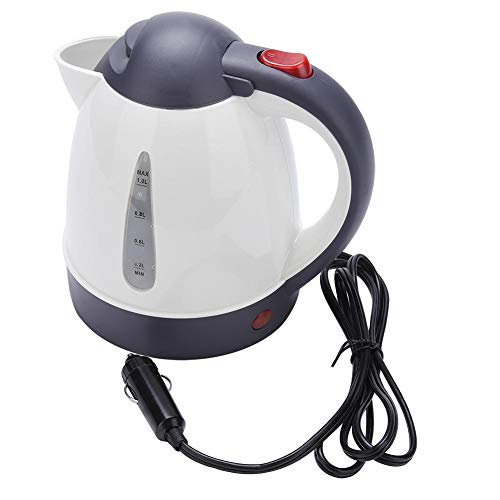
The oven replaces meals; the kettle replaces coffee and instant food. A 12V portable oven reheats a full container of real food over thirty to sixty minutes, which is the difference between eating what you cooked at home and eating what the counter had. A kettle boils water for coffee, tea, oatmeal and instant noodles, costs about the same, and does far less. If you can only run one, run the oven.
At a glance
| 12V portable oven | 12V kettle | |
|---|---|---|
| Reheats a full meal | Yes | No |
| Coffee and hot drinks | No | Yes |
| Time to useful | 30 to 60 minutes | 15 to 25 minutes |
| Needs a fridge to be useful | Largely yes | No |
| Draw on the 12V system | Moderate, sustained | Moderate, sustained |
| Replaces | A truck stop plate | A truck stop coffee |
Choose the 12V oven if
You already carry a fridge, or you are willing to start. The pairing is what makes this work: cook at home, carry it cold, plug the oven in an hour before you want to eat. Eating one fewer bought meal a day is a real number over a month, and it is a better one than most fuel savings people chase. Plug it in while driving rather than overnight, so the alternator is carrying the load.
Choose the 12V kettle if
You want the cheapest win and you mostly want coffee. Two bought coffees a day is a meaningful sum over a year, and instant oatmeal and noodles turn a kettle into a partial meal solution on the days when nothing else is possible. It is slower than a mains kettle and it does not care, because you are parked.
Watch the socket, not the appliance
Most factory 12V sockets are fused around 10 to 15 amps and are not designed for a sustained high draw for an hour. Check what your socket is rated for, do not run two heating appliances from one circuit, and if you are cooking regularly it is worth having a properly fused dedicated outlet fitted rather than relying on the cigarette lighter. A melted socket in a sleeper is not a small problem.
These comparisons are drawn from published manufacturer specifications and the general consensus of owner reports. We have not tested these products side by side, and nothing here is legal or compliance advice. Confirm current rules with FMCSA and with the states you run.