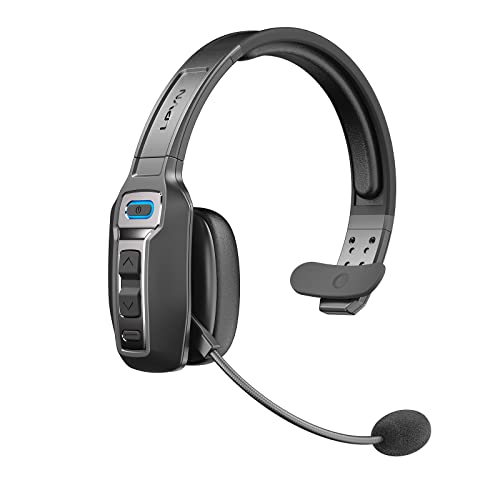
These get lumped together as communication gear and they are not competing. One is how you take a call legally. The other is how you find out why the road ahead has stopped.
The verdict up front
The headset is the one you need; the CB is the one that still earns its place. Federal rules restrict handheld mobile phone use by commercial drivers, and a headset with a boom mic is the practical way to comply on the dispatch and broker calls that fill a day. A CB does something a phone cannot: it tells you what is happening in the next five miles, from the drivers who are already in it.
At a glance
| Bluetooth headset | CB radio | |
|---|---|---|
| Calls with dispatch and brokers | Yes | No |
| Helps with hands-free rules | Yes | Not applicable |
| Road and traffic information | No | Yes, live and local |
| Works with no cell coverage | No | Yes |
| Backing and yard communication | No | Yes |
| Install | None | Antenna and power |
Choose the Bluetooth headset if
You take calls while driving, which is most owner-operators. A single-ear headset with a noise-cancelling boom mic is far clearer to the person on the other end than a speakerphone in a loud cab, and the mute button matters more than the specification sheet. Check your state’s rules on earpieces, since a few restrict wearing anything in both ears while driving.
Choose the CB radio if
You want information nobody is publishing. A stopped queue, a scale that just opened, a crash two miles ahead, a driver telling you your trailer light is out: none of that reaches you through a phone. It is also still how a lot of yards, docks and escort operations talk to you, and it works when cell coverage does not.
Hands-free is federal, not just state
FMCSA rules restrict commercial drivers from holding a mobile phone or reaching for one in a way that requires leaving a seated driving position, with meaningful penalties attached and consequences for a carrier’s safety record. A headset is the ordinary way to work within that. State law adds its own layer on top and varies. Check the current federal rule and your states rather than relying on what a shipper told you.
These comparisons are drawn from published manufacturer specifications and the general consensus of owner reports. We have not tested these products side by side, and nothing here is legal or compliance advice. Confirm current rules with FMCSA and with the states you run.
If the CB side wins for your work, our Cobra 29 LTD Classic review explains why the antenna and the SWR matter far more than which radio you buy.